


- 1Краткий обзор
- 2Что такое A2X — и почему его философия публикации верна
- 3Настройка и повседневная работа
- 4В чем A2X действительно силен
- 5Что следует учитывать перед покупкой
- 6Ценообразование A2X (проверено в августе 2026 г.)
- 7Кому подходит A2X
- 8Когда стоит поискать другое
- 9Вердикт: Стоит ли A2X своих денег?
- 10Обзор A2X: Часто задаваемые вопросы
- 11Сколько стоит A2X?
- 12Работает ли A2X с WooCommerce?
- 13С какими бухгалтерскими платформами интегрируется A2X?
- 14Есть ли у A2X бесплатная пробная версия?
- 15Стоит ли A2X своих денег?
Обзор, который начинается с собственного конфликта интересов, потому что именно эту часть упускают все остальные обзоры.
Вы прочитали четыре обзора A2X сегодня вечером. Каждый из них закончился оценкой выше 4,5 звезд, зеленой кнопкой "Попробовать A2X" и — если вы прокрутили до футера — раскрытием информации о том, что сайт получает комиссию, когда вы нажимаете. Ни один из них не сказал вам, кому он не должен быть куплен. Это и есть признак. Обзор без неподходящего покупателя — это не обзор; это целевая страница с абзацами.
Итак, вот другой конфликт интересов, заявленный сразу, а не в футере: мы создаем LedgerPort, конкурирующий продукт. Мы продаем синхронизацию Shopify и WooCommerce → QuickBooks. A2X и LedgerPort конкурируют за одних и тех же клиентов. Вы должны учитывать это против нас в каждом последующем предложении.
Но именно поэтому этот обзор A2X может быть полезен. Мы не получаем комиссию, если вы покупаете A2X, и мы не получаем ваши деньги по умолчанию, если вы этого не делаете — многие читатели этого поста должны купить A2X, и мы точно скажем вам, кто именно. Наша предвзятость очевидна, поэтому мы постарались перестраховаться: сильные стороны A2X ниже изложены прямо, его слабости — тщательно, и мы были строже к нашему собственному продукту в соответствующем самообзоре — LedgerPort, рассмотренный тем же ножом. Прочтите их бок о бок и решите, был ли нож острым оба раза.
Еще одно правило: никаких выдуманных звездных рейтингов, никаких заявлений типа "пользователи сообщают", которые мы не можем подтвердить, никаких цен, которые устареют к тому времени, когда вы это прочитаете.
Краткий обзор
Для читателей, которые разбираются в шести вкладках в 23:40 во вторник вечером: полный обзор, сжато. Оценки по-прежнему нет — приведенные ниже рассуждения и составляют обзор.
| Где A2X зарабатывает | Где стоит остановиться |
|---|---|
| Философия учета верна: суммированные записи, соответствующие выплатам, а не шум по каждому заказу | Цены растут с объемом заказов и количеством каналов — смоделируйте счет на следующий год, а не на этот месяц |
| Охват торговых площадок, с которым мало кто может сравниться: Amazon, eBay, Walmart и Etsy наряду с Shopify | Создано для свободного владения бухгалтерией; владельцы магазинов без бухгалтера ощущают кривую обучения |
| Зрелый, точный при сверке и действительно доверенный бухгалтерами | Нет WooCommerce — если Woo присутствует в вашем стеке, A2X не может быть полным решением |
| Отправляет данные в QuickBooks Online, Xero и NetSuite | Фирмы платят за каждый клиентский счет, поэтому стоимость зависит от вашего списка клиентов |
Что такое A2X — и почему его философия публикации верна
A2X — это слой синхронизации: он находится между вашими каналами продаж и вашей бухгалтерской книгой — QuickBooks Online или Xero — и переводит одно в другое. Он не заменяет ваше бухгалтерское программное обеспечение. Он делает так, чтобы то, что попадает в ваше бухгалтерское программное обеспечение, было правильным.
Проблема, которую он решает, — это проблема расчетов. Торговые площадки и платформы платят вам единовременными депозитами: пакет заказов за вычетом возвратов, комиссий и корректировок, поступающий как одна сумма на ваш банковский счет. Ваша книга учета хочет обратного — валовые продажи, разделенные по комиссиям, возвратам и налогам, в правильном периоде. Без перевода ваши депозиты никогда не будут совпадать с вашими книгами, и каждый конец месяца превратится в археологию.
Ответ A2X — это сводные бухгалтерские записи. Для каждого расчета или выплаты он создает одну аккуратную запись, которая разбивает депозит на его составляющие — продажи, комиссии, возвраты, налоги — и точно соответствует банковскому депозиту до цента. Не поток отдельных транзакций. Одна запись на выплату, структурированная так, как бухгалтер структурировал бы ее вручную, если бы у него было время.
Мы хотим быть однозначными в этом вопросе, потому что это сердце любого честного обзора бухгалтерского учета A2X: философия суммированных проводок верна. Синхронизация потока транзакций — тысячи отдельных заказов, загруженных в QuickBooks — это то, как учетные книги становятся непригодными при больших объемах. A2X понял это раньше почти всех, и категория (включая наш продукт) в значительной степени основана на понимании, которое нормализовал A2X. Когда основное проектное решение вашего конкурента верно, честный поступок — признать это.
Настройка и повседневная работа
Настройка соответствует ожиданиям от любого серьезного инструмента в этой категории: подключите свой канал продаж, подключите свою учетную книгу, затем сопоставьте статьи A2X — продажи, сборы, возвраты, налоговые строки — со счетами в вашем плане счетов. Шаг сопоставления — это то, где принимаются реальные решения, и A2X предоставляет вам полный контроль над ним, включая налоговый учет. Если у вас есть бухгалтер или аудитор, это тот этап, на котором они захотят присутствовать — и настройка A2X действительно вознаграждает их присутствие.
Ежедневно рабочий процесс заключается в просмотре и проводке. Поступления от ваших каналов, A2X собирает суммированные записи, и они проводятся в вашей учетной книге, где их сверка с банковскими депозитами становится короткой, скучной задачей, а не расследованием. Скука — это цель. Когда инструмент для перевода выплат в учетную книгу работает, вы перестаете думать о нем.
Мы намеренно делаем этот раздел общим — описание пользовательского интерфейса конкурента экран за экраном снаружи приводит к ошибкам в деталях. Для обзора на уровне экрана используйте собственные документы и пробную версию A2X. Что мы можем справедливо сказать: рабочий процесс отлажен, записи проходят проверку бухгалтера, а кривая обучения реальна, но сосредоточена в начале.
В чем A2X действительно силен
Четыре преимущества, без оговорок.
История точности. A2X занимается переводом расчетов более десяти лет, и его репутация в плане правильности цифр — разделение комиссий, правильные периоды, сверка выплат — заработана, а не разрекламирована. В категории, где «синхронизировалось, но неправильно» является определяющим типом сбоя, долгая история точности — самый ценный актив, которым может обладать инструмент.
Доверие бухгалтеров и аудиторов. Попросите бухгалтера, работающего с клиентами электронной коммерции, назвать инструмент синхронизации, и A2X, вероятно, будет первым, кто придет на ум. Это доверие умножается для вас: инструмент, который ваш CPA уже знает, означает меньше трений при внедрении, более быстрое утверждение и эксперта, который может устранить неполадки в ваших книгах, не изучая сначала новую систему. Новым инструментам — включая наш — приходится зарабатывать это доверие по одной фирме за раз. A2X получил его много лет назад.
Охват Amazon и мульти-каналов. A2X вырос на расчетах Amazon — одной из действительно сложных проблем в бухгалтерском учете электронной коммерции — и с тех пор расширился на другие торговые площадки и платформы. Если ваш доход охватывает Shopify плюс Amazon, или eBay, или Etsy, A2X переведет все это в одну согласованную учетную книгу. Эта широта является настоящим преимуществом, и большинство инструментов, которые конкурируют с A2X на Shopify, просто не имеют ее.
Философия выставления счетов. Описано выше, но заслуживает места в этом списке: итоговые журнальные записи, готовые к сверке, — это правильный способ внесения доходов от электронной коммерции в бухгалтерскую книгу, а реализация этой идеи в A2X является эталоном, по которому измеряется вся категория.
Что следует учитывать перед покупкой
Четыре соображения, изложенные по факту. Ни одно из них не является критическим недостатком для каждого покупателя; каждое из них является критическим недостатком для кого-то.
Ценообразование зависит от объема заказов и каналов. Уровни A2X повышаются по мере роста количества ваших заказов и добавления каналов продаж. Это законная модель ценообразования — но это означает, что счет, который вам выставили сегодня, не будет тем счетом, который вы оплатите после успешного года. Прежде чем принять решение, смоделируйте свои расходы при прогнозируемом объеме и количестве каналов на *следующий год*, а не на этот месяц, и проверьте страницу с текущими ценами A2X напрямую, потому что опубликованные цифры в обзорах (включая этот) устаревают.
Пользовательский интерфейс предполагает знание бухгалтерского учета. A2X разработан с учетом потребностей бухгалтеров, и это чувствуется — терминология, решения по сопоставлению, варианты налогообложения. Для бухгалтеров это преимущество; инструмент говорит на их языке. Для владельца магазина без опыта в бухгалтерском учете, который самостоятельно настраивает систему поздно вечером во вторник, это может показаться так, будто руководство написано для кого-то другого. Ни одна из реакций не является неправильной. Знайте, кем вы являетесь.
Нет поддержки WooCommerce. A2X хорошо охватывает Shopify, Amazon и маркетплейсы. WooCommerce отсутствует в списке. Если часть вашего бизнеса работает на Woo — или вы планируете создать интернет-магазин на WordPress — A2X не сможет быть вашим полным решением, точка.
Фирмы платят за клиента. Для бухгалтерских фирм A2X тарифицируется за каждый клиентский аккаунт. Для клиентов с большим количеством маркетплейсов эта стоимость за клиента часто оправдывается сэкономленными часами. Но это означает, что стоимость вашего программного обеспечения линейно растет с количеством ваших клиентов — стоит честно смоделировать это, если вы стремитесь развивать сегмент клиентов электронной коммерции.
Ценообразование A2X (проверено в августе 2026 г.)
В этом обзоре указано, что опубликованные цены устаревают, поэтому вот цифры с прикрепленной датой: проверено на странице цен A2X в августе 2026 года. Их страница остается канонической.
A2X устанавливает цены за канал продаж, с градацией по ежемесячному объему заказов. Для одного магазина Shopify:
| План | Цена (USD) | Заказы / месяц | Включено |
|---|---|---|---|
| Мини | 29 долларов США в месяц | До 200 | 1 магазин, 3 месяца истории |
| Базовый | 45 $/мес. | До 500 | 1 магазин, 6 месяцев истории |
| Профессиональный | 79 $/мес. | До 2000 | 1 магазин, 12 месяцев истории |
| Премиум | От 115 $/мес. | 5000 и более | До 5 магазинов, максимальная история, премиум-поддержка |
Каналы Amazon, Etsy, eBay и PayPal также начинаются от 29 долларов в месяц; Walmart — от 79 долларов в месяц; продажа на нескольких каналах переводит вас на многоканальные тарифы с отдельной ценой. Каждый тариф включает публикацию себестоимости и сессию онбординга 1:1. Практический вывод таков: уровень, на который вы попадаете, не тот, на котором вы останетесь. Хороший год поднимет вас по лестнице — моделируйте счет за Профессиональный тариф, а не за Мини.
Кому подходит A2X
Магазины: если Amazon составляет значительную долю вашего дохода — или вы продаете через несколько маркетплейсов — A2X, вероятно, должен быть вашим выбором по умолчанию, и вам понадобится веская причина выбрать что-то другое. Учет расчетов Amazon сложен, A2X справляется с этим благодаря десятилетнему опыту, а альтернатив с сопоставимой глубиной охвата маркетплейсов мало. Ценообразование с учетом объема — это цена такого покрытия; для многоканального магазина это обычно стоит того.
Фирмы: если ваша клиентская база включает продавцов на маркетплейсах, и вы можете переложить или поглотить стоимость за клиента, A2X является обоснованным стандартом для построения практики в области электронной коммерции. Ваши сотрудники, вероятно, уже знают его, а единообразие для всех клиентов стоит реальных денег в фирме. Расчет стоимости за клиента работает, когда клиенты сложны с точки зрения маркетплейсов; его становится труднее оправдать для простых клиентов Shopify с одним каналом.
Если вы узнали себя в одном из абзацев, прекратите чтение и с нашего благословения начните пробную версию A2X. Остальная часть этой статьи для всех остальных.
Когда стоит поискать другое
Три стены. Если вы стоите перед одной из них, никакое реальное качество A2X не сдвинет ее с места.
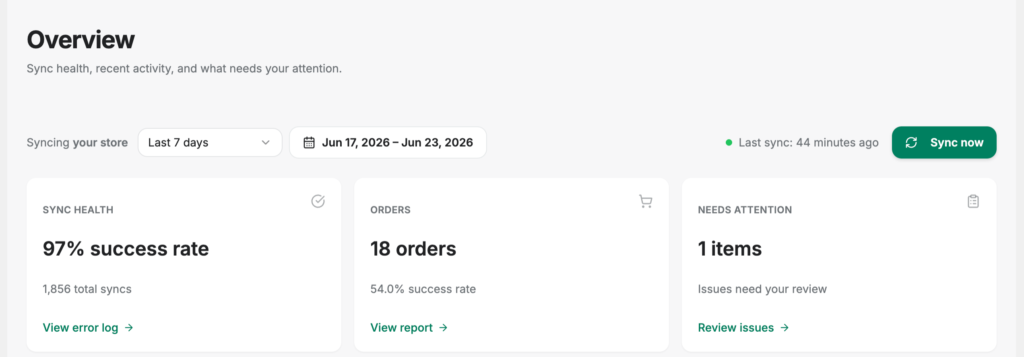
Стена WooCommerce. Если часть вашего дохода проходит через WooCommerce, A2X ее не охватывает, а использование второго инструмента вместе с ним означает две схемы сопоставления и два аудиторских следа для одного набора книг. Это тот пробел, для которого частично был создан наш продукт, поэтому вот единственное руководство по LedgerPort, которое вы получите в этом обзоре: LedgerPort нативно синхронизирует WooCommerce — плагин WordPress, который предоставляет свои собственные учетные данные API WooCommerce и веб-хуки в мастере из четырех шагов, а затем в реальном времени отправляет заказы, возвраты, продукты и клиентов в QuickBooks Online, при этом витрины Shopify управляются из той же учетной записи. Документация оценивает установку примерно в пять минут, а полное руководство по настройке находится в открытом доступе, если вы хотите проверить это утверждение, прежде чем доверять ему.
Стена ценообразования по объему. Если вы быстрорастущий одноканальный магазин Shopify, ценообразование, зависящее от объема заказов, означает, что ваш счет за синхронизацию растет с каждым успешным кварталом — вы платите цены за охват маркетплейса за охват, который вы не используете. Инструменты с фиксированным ценообразованием (наш начинается с 25 долларов в месяц за до 1000 заказов — текущие уровни здесь, и проверьте их, то же правило, что и у A2X) делают счет независимым от роста. Используйте обе модели с учетом вашего объема на двенадцать месяцев вперед и позвольте электронной таблице решить.
Стена беглости. Если вы владелец-оператор без бухгалтера, и настройка A2X, подходящая для бухгалтеров, кажется, предполагает наличие коллеги, которого у вас нет, это не ваша личная вина — это продукт, созданный для другого рабочего места. Несколько инструментов в этой категории, включая наш, разрабатывают путь настройки для владельца магазина. Где этот компромисс окажется, зависит от вашей ситуации, поэтому более полное рассмотрение находится на двух выделенных страницах: сравнение альтернатив A2X для всего рынка и LedgerPort против A2X для прямого сравнения. Более широкое сравнение программного обеспечения для бухгалтерского учета Shopify ранжирует всех, включая инструменты, которые превосходят нас в конкретных задачах.
Вердикт: Стоит ли A2X своих денег?
Для подходящего покупателя, да — без лишних слов. Если вы активно работаете на маркетплейсах, используете несколько каналов или фирма стандартизирует работу с клиентами электронной коммерции, A2X — это зрелый, точный, доверенный бухгалтерами инструмент, чья основная философия дизайна просто правильна, а ценообразование с учетом объема — справедливая плата за охват, который почти никто другой не может сравниться. Таков вердикт конкурента, когда продукт его заслуживает.
И если вы столкнетесь с одной из трех стен — WooCommerce в стеке, расчеты с фиксированной ценой при растущем объеме или настройка, предназначенная для бухгалтера, которого у вас нет — то A2X не ошибается, она не подходит, и вам следует прочитать страницу альтернатив, прежде чем подписываться на инструмент, который вы перерастете вбок. Никаких оценок из десяти. Оценки — это то, как партнерские обзоры избегают говорить что-либо. Честный итог — это вопрос сортировки: какой абзац выше описал ваш магазин? Покупайте соответственно — даже если ответ не мы.
Взвешиваете сравнение лоб в лоб? LedgerPort против A2X охватывает это функция за функцией — и наш собственный обзор LedgerPort применяет тот же стандарт к нам.
Обзор A2X: Часто задаваемые вопросы
Сколько стоит A2X?
От 29 долларов в месяц за один канал при объеме до 200 заказов, с переходом на 45, 79 и 115+ долларов по мере роста объема и количества магазинов; Walmart — от 79 долларов в месяц, а многоканальные тарифы оплачиваются отдельно (проверено в августе 2026 года — полная таблица выше).
Работает ли A2X с WooCommerce?
Нет. A2X охватывает Shopify, Amazon, eBay, Etsy, Walmart и PayPal. Если WooCommerce является частью вашей системы, вам понадобится другой слой синхронизации для этой части бизнеса — это одна из трех стен в вердикте.
С какими бухгалтерскими платформами интегрируется A2X?
QuickBooks Online, Xero и NetSuite.
Есть ли у A2X бесплатная пробная версия?
Да — бесплатная пробная версия с полным набором функций перед выбором тарифа.
Стоит ли A2X своих денег?
Если вы активно работаете на маркетплейсах, используете несколько каналов или являетесь фирмой, стандартизирующей работу с клиентами в сфере электронной коммерции: да. Если вы сталкиваетесь с проблемой WooCommerce, математикой ценообразования по объему или предположением об уровне владения бухгалтерским учетом, ознакомьтесь с руководством по альтернативам, ссылка на которое есть в вердикте, перед подпиской.